
Wellness Wisdom From Traditional Cultures
Discover evidence-informed practices rooted in centuries of cultural knowledge, adapted for modern life in the UK and beyond.
The information on this site is for educational purposes only and does not constitute medical advice. Always consult a qualified healthcare professional before making health decisions.
Core Features of Traditional Wellness
Plant-Based Wisdom
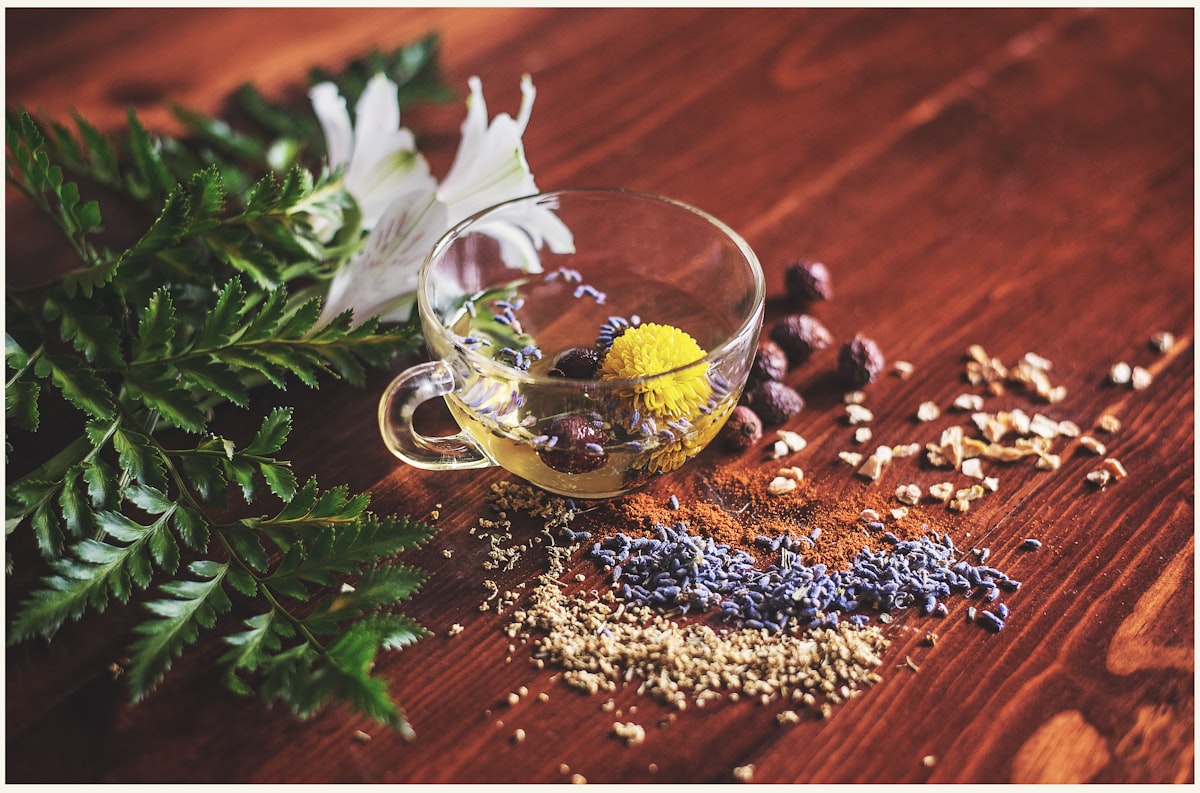
Traditional cultures have catalogued thousands of plants for wellness purposes. Our editorial explores how botanical knowledge from Indigenous and ancient civilisations informs contemporary interest in plant-centred approaches to well-being.
Holistic Life Balance
From Ayurvedic doshas to Traditional Chinese Medicine's yin-yang philosophy, traditional systems view wellness as interconnected physical, mental, and emotional harmony. We examine how these frameworks address well-being comprehensively.
Movement & Breath Practices
Yoga, Tai Chi, Qigong, and other traditional movement systems integrate physical activity with conscious breathing and mindfulness. Our articles explore how these practices developed across cultures and remain relevant today.
Traditional Eating Wisdom
Mediterranean, Ayurvedic, and Asian traditional diets emphasise seasonal, whole foods and mindful eating. We explore the nutritional philosophy behind traditional food cultures and their approach to nourishment.
Water Therapies & Natural Elements
Hydrotherapy, mineral springs, and seasonal alignment have been valued across traditional cultures for centuries. Our content examines how natural therapies work within traditional wellness frameworks.
Mind-Body Practices
Meditation, mindfulness, and contemplative practices are central to Eastern and Indigenous wellness traditions. We explore the cultural origins and practical integration of these mental wellness approaches.
Why Traditional Wellness Knowledge Matters

Traditional wellness systems developed over thousands of years, refined through observation and passed down across generations. Unlike trends, these practices represent accumulated cultural knowledge from diverse civilisations including India, China, Persia, Greece, and Indigenous communities worldwide.
Modern research increasingly validates principles that traditional practitioners understood intuitively. Many contemporary wellness approaches—from preventative health focus to individualised approaches to well-being—echo traditional wisdom and demonstrate its enduring relevance.
At Global Health Traditions, we believe that understanding these cultural frameworks enriches our ability to make informed choices about personal wellness. Our editorial platform documents, analyses, and contextualises traditional practices for UK audiences and global readers seeking deeper wellness knowledge.
- Evidence-informed content grounded in cultural and historical research
- Practical insights for integrating traditional wisdom into modern life
- Respectful exploration of practices from their cultural contexts
- Educational resources for curious minds seeking holistic knowledge
How We Approach Traditional Wellness Content
Research & Documentation
We research traditional systems through academic sources, historical texts, and cultural experts. Each article is grounded in authentic understanding of where practices originate and how they evolved. We prioritise accuracy and respect for cultural origins above simplified versions.
Educational Perspective
Our content is designed to educate and inform, not to diagnose, prescribe, or make specific health claims. We explain traditional frameworks, their philosophical underpinnings, and how people have used them historically. Readers make their own informed decisions about personal wellness.
Evidence Alignment
Where contemporary research supports traditional practices, we reference those findings. We also acknowledge areas where traditional and modern understandings differ. This balanced approach helps readers understand both the historical significance and current scientific perspectives on wellness practices.
Practical Application
We translate ancient wisdom into practical terms for contemporary readers. Articles explore how to adapt traditional practices for modern schedules, climates, and lifestyles. The goal is making wellness knowledge accessible and actionable without diluting its essence.
Comparative Wellness Frameworks
| Tradition | Core Philosophy | Key Practices | Geographic Origin |
|---|---|---|---|
| Ayurveda | Balance of three doshas (Vata, Pitta, Kapha) through individualised approaches | Dietary adjustment, herbal preparations, massage, meditation | India |
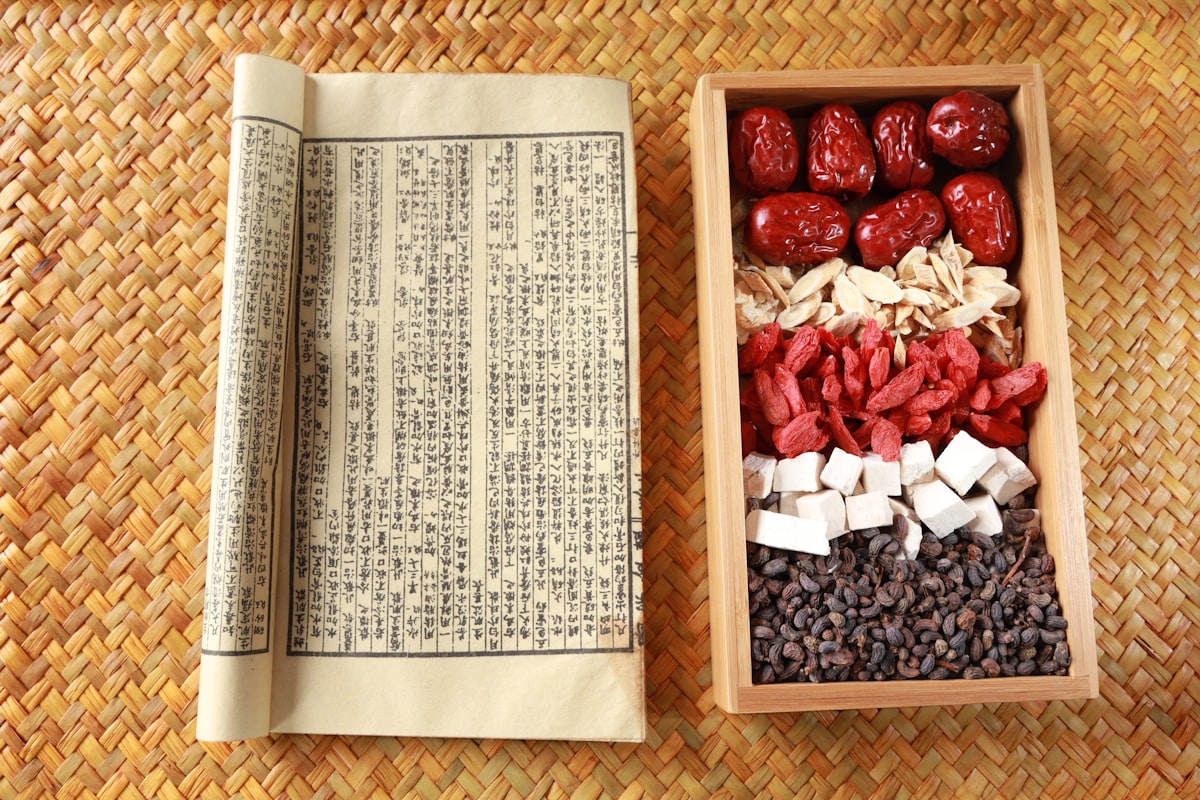
| Traditional Chinese Medicine | Harmony of Qi flow, balance of yin-yang, integration with nature cycles | Herbal formulas, acupuncture, Tai Chi, dietary therapy | China |
| Mediterranean Tradition | Whole-food nutrition, seasonal eating, community and movement | Olive oil, whole grains, legumes, fresh vegetables, social meals | Southern Europe, Middle East, North Africa |
| Greek Natural Philosophy | Four elements and humours determining health and temperament | Plant remedies, baths, exercise, dietary advice based on constitution | Ancient Greece |
| Indigenous Traditions | Interconnection with land, seasonal alignment, preventative living | Plant knowledge, ceremonial practices, movement, community care | Americas, Africa, Australia, Pacific |
Integration Into Daily Life
Morning Practices
Begin your day aligned with traditional practices from across cultures. Morning routines in Ayurveda emphasise oil massage and gentle movement. Traditional Chinese Medicine values morning Qi cultivation through Tai Chi or Qigong. Mediterranean traditions include movement and social connection. Indigenous practices often begin with gratitude and intention-setting.
Our articles explore specific morning routines that resonate with your natural rhythm and geographic location, drawing from multiple cultural traditions.
Seasonal Alignment
Traditional systems across cultures recognise the importance of seasonal alignment. Ayurveda adjusts food and practices by season to maintain balance. Traditional Chinese Medicine works with seasonal energy shifts. Indigenous traditions remain deeply connected to seasonal changes and their meaning for wellness.
We provide guidance on how to shift your wellness practices across the year, incorporating both traditional wisdom and the British seasonal context, to support natural rhythms and consistent well-being.
Evening & Sleep
Evening practices prepare your body and mind for restorative sleep. Ayurveda uses warm oils and calming foods in the evening. Traditional Chinese Medicine recognises evening as Yin energy time, supporting rest and restoration. Meditation and breathing practices from yoga traditions support sleep quality and emotional regulation.
Our editorial explores evening routines informed by traditional wisdom, adapted for modern living with artificial light and stimulation, to support natural sleep cycles.
Frequently Asked Questions
Many people successfully integrate traditional and conventional approaches to wellness. However, it's essential to discuss any significant changes with your GP or relevant healthcare provider, especially if you take medications or have specific health considerations. Traditional practices are generally complementary to, not replacements for, conventional care when health concerns are present. Our editorial provides context so you can make informed decisions in partnership with your healthcare team.
Expand Your Wellness Knowledge
Explore our comprehensive collection of articles on traditional wellness practices, cultural wisdom, and integrating ancestral knowledge into modern living. Whether you're curious about Ayurveda, Traditional Chinese Medicine, Mediterranean wisdom, or Indigenous practices, we have detailed editorial content for your journey.